Herbs & Spices in Joint Supplements
Prolonged use of some herbs has proven to be life-threatening. And JUST THE USE of others may help a normal person under normal circumstances, but trigger the "N" (in RANTS).
Medicinal herbs are plant-derived drugs. They do not belong in a daily nutritional joint supplement. This page collects the safety information, the full list of herbs to avoid for prolonged daily use, and the reasons MD’s Choice formulated Arthrosamine without them.
The Drug Induced Liver Injury Network (DILIN) reported that over 15 million Americans EACH YEAR take herbal supplements that may be toxic to the liver.
A study discovers the breadth of consumption of herbal supplements, which were previously shown to be potentially toxic to the liver.
“Our interest started when we saw cases of liver toxicity from herbal and dietary supplement use in people enrolled into the ongoing NIH funded DILIN study,” said Alisa Likhitsup, M.D., M.P.H., a clinical assistant professor of medicine at U-M and lead author on the paper.
“But it was difficult to say how many people were using these supplements and why. The major finding here is the large number of Americans taking these products with an estimated 15 million adult Americans taking them on a regular basis.” https://dilin.org/
Some of the most common herbs used in joint products, and the type of chemicals they contain... or produce... are:
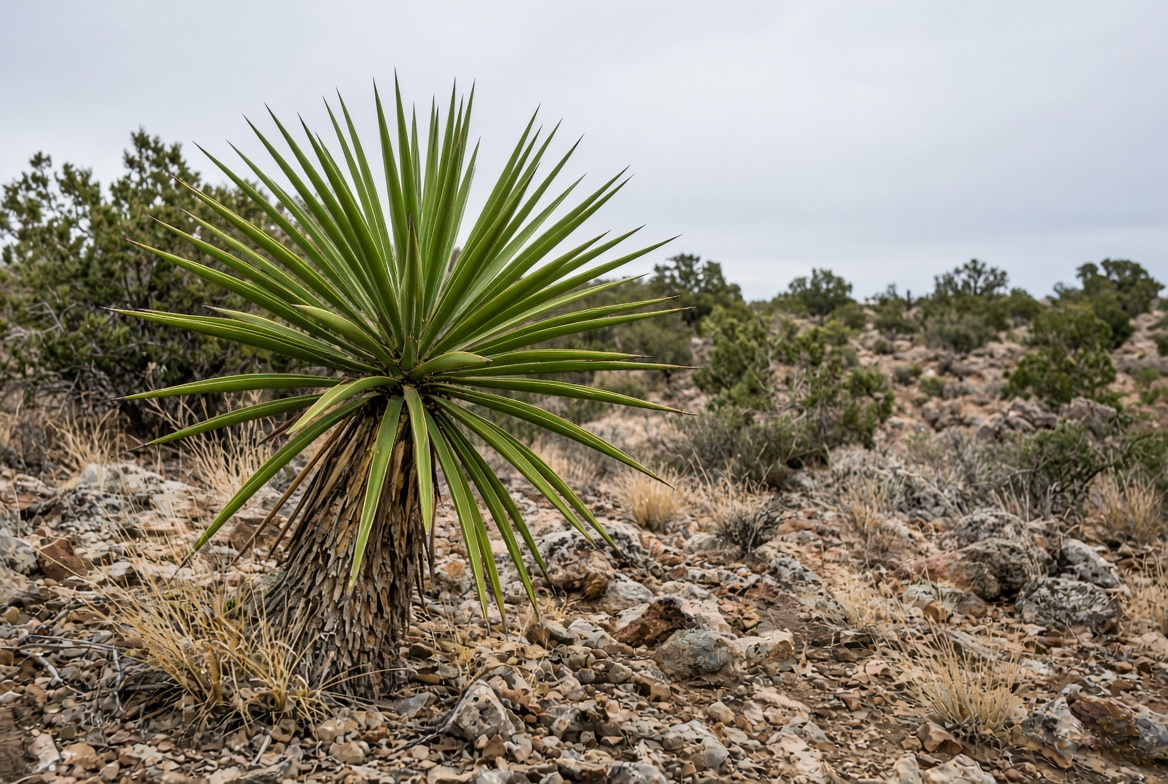
YUCCA:
Yucca contains steroid saponins. These chemicals are related to the steroids. In the animal's body they decrease pain and inflammation. They also decrease the immune response, and steroids have been shown to slow the production of glycosaminoglycans (GAG's), which are a major component of joint tissues.
The main use of Yucca in animal feeds has been to promote feed efficiency and growth, while lowering the amount of ammonia in the manure (so that it won't smell as bad).
Science has proven that animals with daily prolonged use of Yucca have joints that appear to age much quicker. However, because these animals have a limited life expectancy, the results are ignored. For livestock, it probably doesn't matter... but for people, human joints, and those animals that are supposed to live longer than 2 or 3 years, it should absolutely matter!
Herbs are Drugs
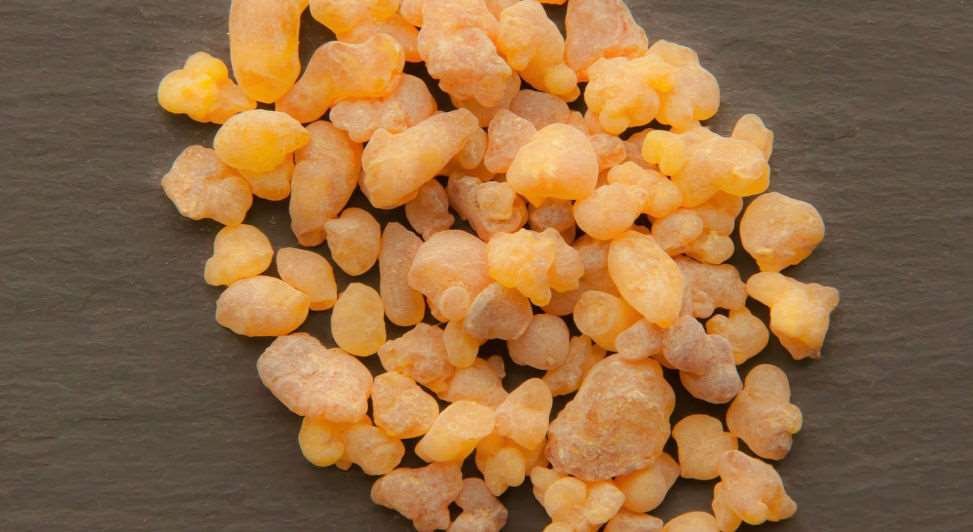
Boswellia, White Willow's Bark, and Snake Root.
These are all herbs containing chemicals that act as NSAID's. These drugs decrease pain and inflammation and are known to cause severe gastrointestinal (GI) problems such as ulcers. These drugs should not be used in people or animals with GI problems; or daily for prolonged periods of time.
Remember, in people, gastric ulcers digestive problems are already common because of our fast food diets, junk food, alcohol, sodas, and irregular eating habits.
Plant derived drugs
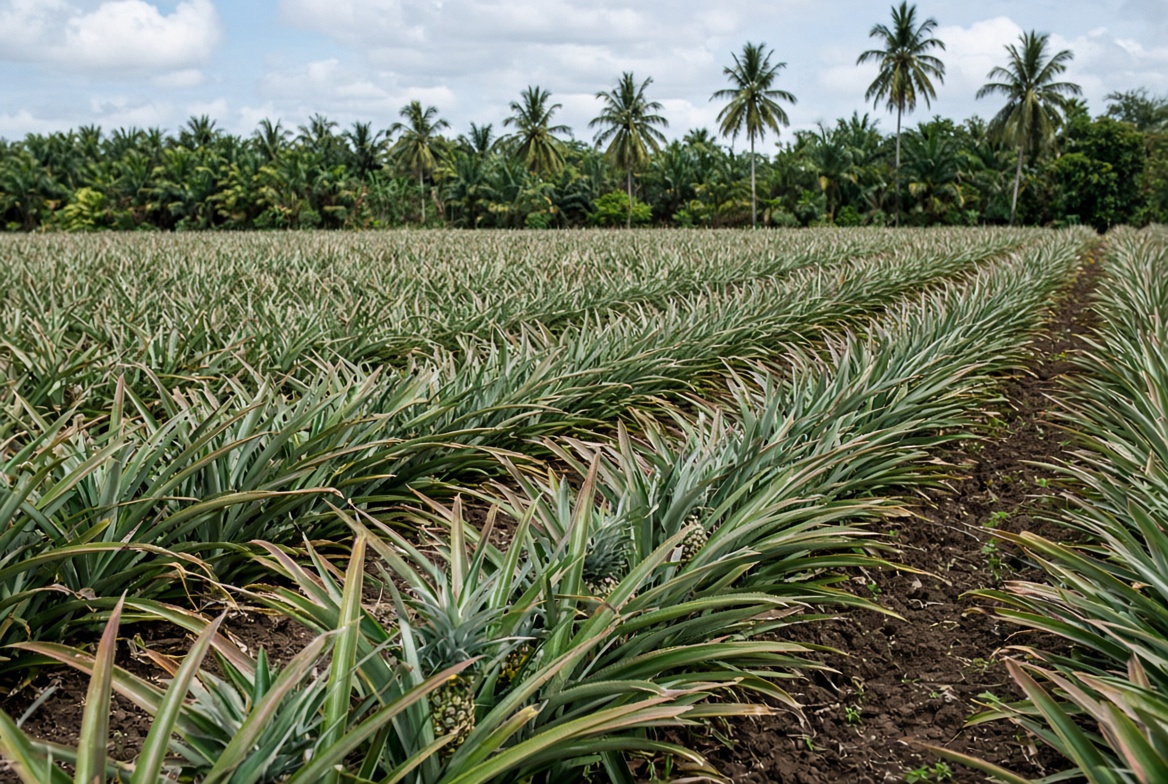
Bromelain
This is an enzyme found in pineapples. Yes, it has been shown to reduce the amount of swelling present in some experimental animals and people. However, Bromelain can enter the body intact because it eats away the outer lining of the GI tract (something any body with digestive issues should absolutely avoid). In addition, in cancer patients, it has been shown to stimulate the body's own immune system to kill the body's own cells. Since it is a protein, it can cause allergic reactions. People who merely handle bromelain on a daily basis for a few months have become highly allergic to it.
pineapple pain killer
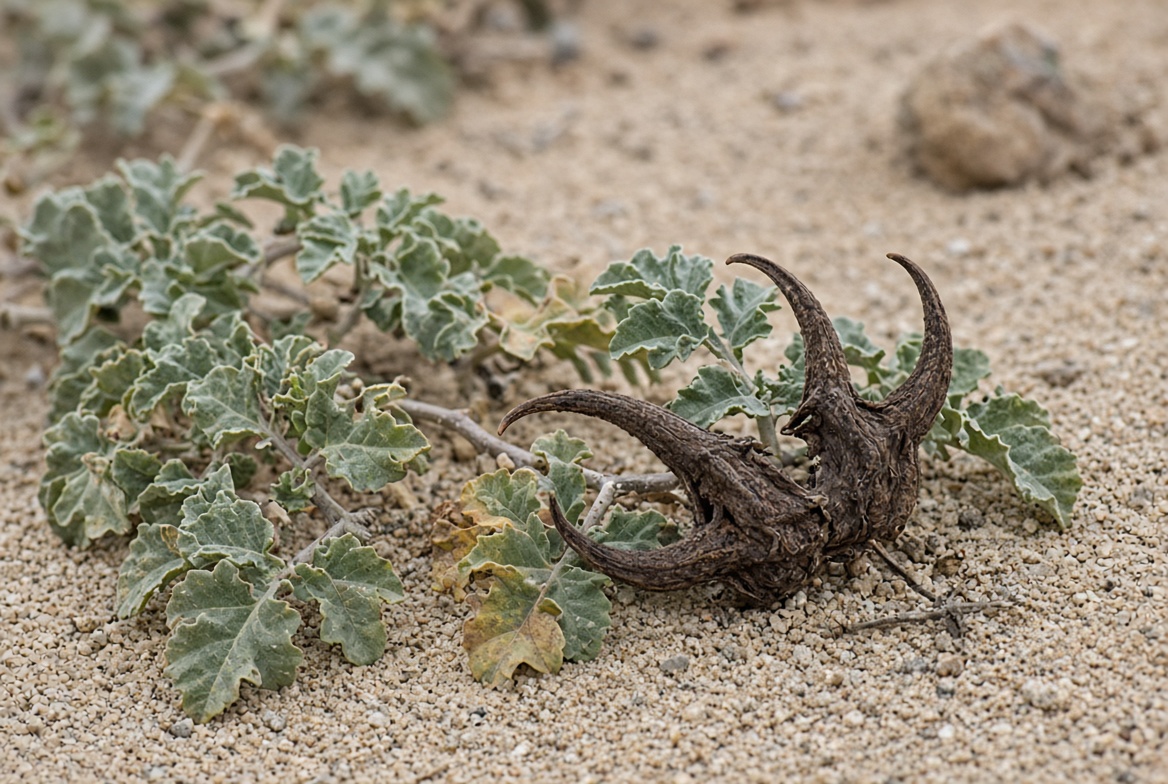
Devil's Claw
This herb contains several chemicals that are reported to decrease pain. They do not decrease inflammation and are similar in structure to steroids. It is generally easier on the digestive tract than Bute, or many of the other common herbal pain killers.
However, Serious WARNING: This herb should not be used with any female (human or animal) that is pregnant, or actively breeding with the purpose of getting pregnant, as it has been reported that it can cause abortions by stimulating uterine contractions. There is over 4,000 years of evidence, in African Culture and Chinese medicine, of this particular herb being used to terminate pregnancies in the early stages and induce labor in the later stages. Yet you'll see it in many American joint supplements, sometimes without any such critical warning.
Is it because they don't know any better, or just plain don't care?
herbs are drugs
EVERY SINGLE herb & spice on the list below
should be avoided for DAILY PROLONGED USE without specific instructions of a healthcare professional; many altogether.
- Red bold (.herb-deadly) for high-risk items (e.g., Ephedra, Comfrey, Hemlock, Monkshood, Jimson Weed, Yew, etc.)
- Dark pink bold (.herb-danger) for items with known serious concerns (e.g., Black Cohosh, Kava Kava, St. John’s Wort, Kratom, etc.)
- Green bold (.herb-safe) for generally considered safe (GCS) items & spices (e.g., Garlic, Ginger, Green Tea, Lemon balm, Milk Thistle, etc.)
- Blue (.herb-usual) for the topicals
Color coding is for the existing classes:
| Adhoguda | Evening primrose | Melissa (aka Lemon balm) |
| Agave | False Unicorn Root | Mildewed sugarcane |
| Agrimony | Feverfew | Milk Thistle |
| Akee | Flying Saucers | Mistletoe |
| Alfalfa | Garlic | Monkshood |
| Aloe Vera | Gentian | Moon flower |
| American Pennyroyal | Germander | Morning glory |
| Angelica | Ginger | Motherwort |
| Angel's Trumpet | Gingko | Mugwort |
| Apple Seed | Ginseng | Mutis |
| Apricot Kernels | Golden Seal | Myrrh |
| Arbor Viae | Goldenrod | Neem |
| Arnica | Gota Kola | Nutmeg |
| Autumn Crocus | Gravel root | Oregon Grape root |
| Ayahuasca | Greater Celndine | Orris |
| Badoh negro | Green Tea | Osha Palsatilla |
| Balm of Gilead | Guarana | Parsley |
| Barberry | Hawaiian Baby Woodrose | Passion Flower |
| Basil Oil | Hawthorn | Pearly Gates |
| Beth Root | Heavenly blue | Pennyroyal |
| Black Cohosh | Heliotrope | Periwinkle |
| Blessed Thistle | Hemlock | Peruvian Bark |
| Blood Root | Holly | Philodendron |
| Blue Cohosh | Holy Thistle | Pink oleander |
| Blue Star | Honeysuckle | Podophyllum |
| Broom | Hops | Pokeweed |
| Bugleweed | Horse chestnut | Rhododendron |
| Butcher's broom | Horseradish | Rhubarb |
| Butternut | Horsetail | Ricinus |
| Calendula | Huan glian | Rosary peas |
| Cantharidin Beetle Powders | Hydrangea | Royal Jelly |
| Canthaxanthin | Hyssop | Saw palmetto |
| Castor beans | Ipecac | Skullcap (possibly) |
| Chan-su | Iris | Snakeplant |
| Chaparral | Jequirity seeds | South American mutis |
| Chaste tree | Jimson Weed | Spotted Thistle |
| Chinaberry | Juniper berries | Spurge family |
| Christmaspops | Juniper Oil | Squill |
| Christmasvine | Juniper roots | Squirting cucumber |
| Citronella oil | Kava Kava | St. Benedict's Thistle |
| Climbing lily | Kola nut | St. John’s Wort |
| Clove Oil | Kratom | Summer Skies |
| Cohosh (see black, blue, and red) | Lady’s Mantle | Tea Tree Oil |
| Comfrey | Lady’s Slipper | Thorn Apple |
| Cotton root | Lemon balm | Thread-leafed groundsel |
| Cowslip | Licorice | Thyme |
| Crotalaria spp | Life Root | Tree tobacco |
| Cumin Seed | Liliiflorae sona | Trompetilla |
| Damania | Lily of the Valley | Valerian |
| Dhaturo | Lobelia | Vidhara |
| Dong Quai | Lovage | Wedding Bells |
| Echinacea | Lungwort | White chameleon |
| Elecampane | Lupin beans | Wintergreen oil |
| Elephant Creeper | Ma Huang | Witch Hazel |
| Ephedra | Mad Apple | Woolly Morning Glory |
| Estramonio | Madak | Yagjinhua |
| Eucalyptus oil | Malefern | Yellow oleander |
| Euphorbiaceae | Mandrake | Yew |
| European Pennyroyal | Mate′ tea |
Herbal supplements come in all shapes and delivery methods: dried, whole, chopped, powdered, roots, stems, flowers, or sap ... and found in capsule, sav, or liquid form... for either eating (or drinking), OR strictly TOPICAL (applied to effected areas of the skin), or BATH WATER (with some absorbed through skin, in more systemic fashion). Most of those intended for bath water or topicals CAN NOT BE SAFELY EATEN or MIXED IN A DRINK!
The practice of using herbal supplements dates back thousands of years, BUT WAS NOT something MOST people, or just anyone could safely do! IT REQUIRED TRAINING! Education, practice, knowledge, and notes! Tons of notes! About WHEN, WHERE, and HOW to harvest, process, and safely use. While herbal supplements are common in here in the USA, the training and safety issues regarding the PROPER USE, and WISE USE, is not so common. Determining how has EFFECTIVE product, and is just sprinkling an inconsistent amount over a vat of tap water, is also impossible. KNOWING what you're looking for, helps determine some reality, and safety.
Herbs are not for everyone, and should be used with BOTH CAUTION and reasonable care, because they are NOT subject to ANY real or close scrutiny by the FDA or other governing agencies. The potency, consistency, and dosing can be all over the place, even from batch to batch, within the same company.
St. John's Wort is great example of a popular herbal supplement: used for depression, mood swings, and hormonal issues, in some cases, the product often can't legally state that... but rather something like "enhances mood."
The FDA does NOT 'regulate' or 'mandate' the CONTENTS of the container, but the CLAIMS ON THE LABEL. Companies can't CLAIM to TREAT anything, even if they actually and usually can, without specific scientific proof - a peer reviewed study, or scientific abstracts MAKING THOSE CLAIMS. Other than salmonella and e Coli, there are NO REQUIRED TESTS/TESTING for herbal products. NOTHING that guarantees there are no pesticides, no herbicides, no heavy metals in the soil or other common contaminants in some soils in some parts of the world. THAT, is the fundamental issue with HERBAL remedies.
Remember These Points
Nutrition is the third most important thing in life, behind air and water (in that order).
Be an educated consumer.
UNDERSTANDING THE BASICS of nutrition can help you a great deal, resulting in better health and longevity, and ultimately saving money, and limiting adverse effects of poor nutritional choices, and preventable health issues:
Lesson ONE: easy YELLOW & RED FLAGS products: - ANY products containing carbonates or oxides, glucosamine HCl, or herbs intended for daily prolonged use without limits or warnings on the product, are each and all ‘THINGS’ that should give you pause; telling you they REALLY DO NOT understand (or care about) ‘nutrition,’ safety, or efficacy. They are JUST SELLING HYPE and the cheapest options available! i.e., Smoke & mirrors… the illusion of health, and if you’re lucky, slightly better than a harmless placebo.
Lesson TWO: FORM MATTERS! All minerals, and many vitamins, come in a variety of ‘forms,’ and what that ‘other ingredient’ is REALLY matters on a variety of levels: from absorption, to where it CAN (or can’t) get into a body, and HOW it may (or many not) be used by cells (bio-availability). The gut is where oral supplementation starts, but the quantity, quality, and FORM determine what GETS PAST THE DIGESTIVE TRACT and WHERE it might get to in a body.
The PROPER nutritional support can most definitely help maintain and heal joint tissues, adding lubrication, strengthen, adding flexibility and mobility to ligaments and tendons, BUT NO diet or supplement – FROM ANY COMPANY - will repair a torn rotator cuff, change a structural anomaly, or fix certain injuries.
Ingredient quality is extremely important; as is consistency, potency, safety, and avoidance of contaminants.
Be sure that you are using the proper building blocks: vitamins, minerals, and nutrients in the supplements you use.
KNOW IF you are using ‘drugs’ (including the PLANT DERIVED “DRUGS,” aka HERBS), masking or blocking symptoms, unless that is your goal.
Understand the KNOWLEDGE BASE & GOALS of both the product, and the company. Are they JUST PUSHING PRODUCT to make money, or do they care at providing quality nutrients that work in ways you need, want, and expect… safely?
Does the company HAVE SCIENCE, AND real doctors – veterinarians – nutritionists – pharmacologists – chemists, behind the formulation of their product(s)?
LOOK AT THE INGREDIENTS: are they formulated by NUTRITIONAL professionals? Do the ingredients really address deficiencies or structural problems, OR is the company promoting a 'quick fix' (pain blocking and symptom masking)?
Does that company truly want to HELP their customers get better, and BE BETTER, or JUST quickly feel better? Are they supplying actual building blocks or illusions of temporarily symptom masking or pain blocking?
Do those working to create the formulas a company provides, and , the on going products, really understand the differences in nutrients, and limits on herbal remedies?
Do they want to help YOU learn, improve, and address nutritional deficiencies or cellular problems? Or do they just cover pain or mask symptoms… or worst of all, are they just peddling illusions?
Be aware of the mainstream big box stores, mall vitamin shops, the big chains with some high school kid, or person that doesn’t even understand the basic science of nutrition. They are there for the paycheck, stocking shelves or taking your credit card… it’s a job, limited training, and often skewed to push the latest ‘ingredient of the month,’ buzz word miracles, or stuff they get ‘spiffs’ (incentives to sell). Remember, ANY company with products labeled & marketed for 'nutritional benefit' that contains: carbonates or oxides, glucosamine HCl, or herbs intended for daily prolonged use without limits or warnings, are ‘THINGS’ that should give you serious pause! Not what is REALLY BEST FOR YOU and YOUR SITUATION.
While Nutrition CAN HELP WITH ‘bone density’ and supplying the body the basic building blocks it needs, when done in forms and amounts it can use, structural changes through nutritional take weeks, not days, to be realized.
Only a few deficiencies can often be addressed within a few hours to days, with functional nutrition that is bioavailable, such as Amino Acid Chelated Magnesium or Vitamin D.
Beware of "one size fits all" doses.
The amount of nutrients needed by an individual are based on individual factors, such as: weight, age, severity of the problem or deficiency, other medications and treatments, ACTIVITY LEVEL, as well as their other personal goals. Ultimately, it's often 'time vs money' (or visa versa); However, healing is what healing is, and no amount of money can truly make some things 'instant' or 'painless;' but rather only mask it or block it while the healing occurs (or not).
For example:
An athlete, attempting to prepare for their next competition, will benefit more from a slightly higher dose than the average person, as they logically use and burn more calories, more nutrients.
In general, a younger healthy person will need less than an older person with issues.
A large person may initially require more than a smaller body, with the same problem(s).
A sedentary person less than normal person, which requires less than a highly active one.
Some companies may use words like 'safe,' 'natural,' or 'standardized' – ‘vegan,’ non-GMO, ‘holistic,’ or other such descriptors on the label of their products, but REMEMBER: THOSE MARKETING WORDS DO NOT ALWAYS or USUALLY MEAN THE SAME from manufacturer to manufacturer, from marketer to marketer, from person to person!
Educate yourself.
Research the company, especially if herbs or enzymes.
Follow label instructions carefully.
Work with a professional, not a store clerk.
Watch for side effects, particularly if you have any pre-existing conditions or take any medication on a regular basis. Contraindications, conflicts, and the RANTS are real! .
Be aware of any allergic reactions, or negative interactions.
ALWAYS KEEP A LIST OF THE PRODUCTS YOU USE DAILY FOR “ICE” (In Case of EMERGENCY) – make sure your key contacts know, and should be a LIST UNDER “ICE” in your phone! Everything you ‘take/use DAILY’ - things like ginko or turmeric are BLOOD THINNERS, and make it more difficult to stop bleeding in the event of an accident or emergency. Many negatively interact with anesthesia.
LEARN ABOUT EVERY COMPANY you are regularly dealing with:
(this is pretty easy IF you answer the following questions for yourself):
UNDERSTAND THEIR ACTUAL GOAL(S) – from their product labels, marketing, website, and contact information.
Are they PROMOTING EDUCATION, QUICK SOLUTIONS, proper NUTRITION or products with DRUG ACTIVITY, or just ‘stuff to sell’? (one company had 17 joint supplements, with 17 different product labels, under at least 12 different ‘company names’ – but all owned by the one company, most claiming to do EXACTLY THE SAME THING… and none of them REALLY WORKED in true biologically effective way; but hey, some masked symptoms or blocked pain).
Are they issuing CAUTIONS for OVERUSE (or max limits)? Particularly important when using herbs, or enzymes with known issues.
WHAT are they testing FOR in each batch/lot of products?
Are they TESTING for heavy metals and common contaminants? Or just Salmonella and e Coli (if even that)?
HOW did the company determine and/or research WHAT IS IN (and out) of the product it's creating?
Is the label information clear and easy to UNDERSTAND?
Is the dose variable, or a ‘one size fits all’ regardless of size, issue, or severity?
ANY outlandish or hard-to-prove claims by the product/company?
Does the product label give information about the standardized formula, variable dosing, known side effects with any ingredients, directions, and precautions? (especially important with herbal ingredients)
Is there a telephone number and/or website listed for consumers to find more information about the product/company? Is it AN AMERICAN CONTACT?
Much more information on Herbs can be found on-line. PubMed, WebMD, and HerbsAreDrugs.com are other resources worth checking out if you need more info.
There really is a great deal of valid science on nearly every ingredient found in nearly every joint supplement in the world, now and the future, despite claims of 'newly discovered' or 'miracle cure' when it comes to SUPPLEMENTATION, little is actually 'new.’ Most of those ingredients are discussed on MDsChoice.com. If you there is an ingredient you need more information about, in a joint supplement, EMAIL US… and we’ll try to help you (and others) learn more about it – and what it actually does in a body.
Be aware that potency, consistency, and contaminants… these are particularly important and common issues with many Chinese herbal remedies. Note, there are key differences in WHERE ‘the herb’ is from: stem, root, leaf, sap, or flower... as well as what stage of growth... any herbicides, insecticides, heavy metals or other contaminants in the soil or water used to grow the plants. Those inconsistencies are what contribute to the dangers. They are NOT ALL THE SAME, even if they have the same ‘name.’
AWARENESS IS KEY!